Brief about Myanmar
Capital : Naypyidaw
Currency : Burmese Kyat (MMK)
Population : 56 millions
Language : Burmese
Religion : Buddhism
Timezone : (GMT + 06:30 ) Yangon
Electricity : Type C (European 2-pin), Type D (Old British 3-pin), Type F (German 2-pin, side clip earth), Type G (Irish/British 3-pin)
Dialing Code : + 95
Geography
Myanmar sits at the crossroads of Asia's great civilizations—India and China—and looks out onto the Andaman Sea. It is one of Southeast Asia's largest and most diverse countries, stretching from the sparkling islands of the Andaman Sea in the south up to the Eastern Himalayan mountain range.
To this day, Myanmar remains one of the most mysterious and undiscovered destinations in the world. It is a land of breathtaking beauty and charm, only recently emerging into the modern world.
Why Visit Myanmar?
Myanmar offers all the traditional delights of Asia in one fascinating country. You can explore virgin jungles, snow-capped mountains, and pristine beaches, all combined with a rich heritage that spans over 2,000 years.
Spectacular monuments and ancient cities reflect a vibrant culture that is still home to 135 different ethnic groups. The country's tourism infrastructure includes five-star hotels, boutique resorts, and family-run guesthouses in all major centers, as well as stunning mountain and beach resorts.
Myanmar also has one of the lowest tourist crime records in the world, so visitors can enjoy a safe and carefree holiday.
Adventure and Activities
Whether you're cruising down the mighty Ayeyarwady River, drifting over Bagan by hot air balloon, or searching for wildlife on an elephant-back safari, there is always a sense of adventure.
With six modern airlines upgrading and expanding their networks, new and exciting destinations are gradually opening up. You can go mountain trekking and rafting in the far north, or enjoy world-class diving in the Mergui Archipelago. But above all, Myanmar offers one of the warmest welcomes in Asia.
Population, Races and Ethnic Groups
Although, as many as 135 different ethnic groups are residing in Myanmar, Myanmar are the majority alongside with Mon, Shan, Kachin, Chin, Rakhine, Kayin and Kayah etc. More than 55 million people are living in a total area of 676,577 sq km.
How all those 135 different ethnic groups with their own language, beliefs and culture can mingle and live peacefully in Myanmar is an interesting point for foreign visitors to find out when visiting the country.
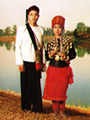
Kachin
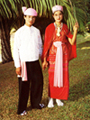
Kayah
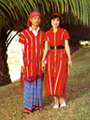
Kayin
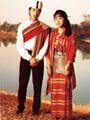
Chin

Mon
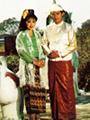
Bamar

Rakhine
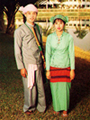
Shan
Religion
About 80% of the population is Buddhist. Christianity, Islam, and Hinduism are also practiced by smaller communities.
Climate and Weather
Myanmar has three main seasons:
· Cold Season (Oct–Feb): 20–24°C – The best time to visit.
· Hot Season (Mar–May): 30–35°C
· Monsoon Season (Jun–Sep): 25–30°C
Even during the monsoon, Yangon usually only gets morning and afternoon showers. Bagan and Mandalay receive very little rain. Around Inle Lake and Shan State, the weather is pleasant year-round, but it can get cold at night from December to February.
Entry Points for Foreign Visitors
The main entry point for international visitors is Yangon International Airport. Mandalay International Airport also serves some international flights. Nay Pyi Taw has an international airport, but very few airlines fly there at the moment.
Overland border crossings are also allowed for visitors with proper permits and visas. These include:
· Muse (China border)
· Tachileik and Kawthaung (Thailand border)
Travelers arriving by sea can also enter through Thilawa Port in Yangon.
Myanmar Visa
A visa is required in advance for most visitors. Tourist visas can be obtained from any Myanmar Embassy or Consulate worldwide. Travelers in Bangkok, Kuala Lumpur, Singapore, or Hong Kong can also apply at the Myanmar embassy there.
· Tourist Visa: Valid for up to 28 days.
· Visa on Arrival: Can be pre-arranged and collected at Yangon, Mandalay, or Nay Pyi Taw airports.
Currency
Myanmar's currency is the Kyat (MMK). There are no coins—only banknotes ranging from 1 to 10,000 kyats. Cash is still the most common way to pay, but credit cards are becoming more accepted in larger cities. It is recommended to carry some US dollars, as they can be exchanged at banks and official money changers. Euros and Singapore dollars are also accepted at some exchange counters.
SIM Cards in Myanmar
If you're traveling to Myanmar, you'll likely want to stay connected. Here's what you should know about getting a local SIM card.
Before You Buy
· Make sure your phone is unlocked.
· Foreigners are usually required to show:
· A copy of your passport photo page
· A copy of your visa page
· One passport-sized photo (sometimes)
Where to Buy
You can buy SIM cards at:
· Yangon International Airport (arrival hall)
· Some hotels and shopping malls in major cities
· Mobile phone shops in popular tourist areas like Bagan, Mandalay, and Inle Lake
Buying at the airport is often the easiest option for tourists.
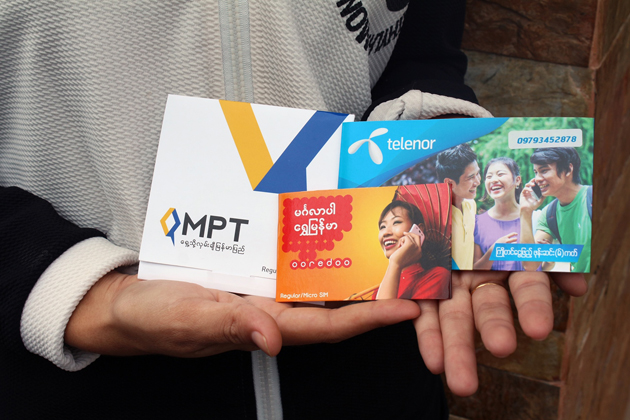
Mobile Operators in Myanmar (Updated)
There are currently several telecom providers operating in Myanmar:
· MPT – the former state-owned operator, with the widest coverage across the country.
· U9 (formerly Ooredoo) – one of the main operators in cities and tourist areas.
· Atom (formerly Telenor) – still widely available, especially in urban areas.
· MyTel – a newer operator backed by Viettel (Vietnam).
Important Note on Prices and Policies
Please be aware that mobile data prices, SIM card costs, and registration rules change frequently due to government regulations and market conditions. We recommend:
· Asking your hotel or tour guide for the latest local advice.
· Checking with official operator shops (not street vendors) for current prices.
· Being prepared to show your passport and visa when buying a SIM.
Tips for Tourists
· Data packages are usually affordable and can be activated easily.
· Coverage is generally good in cities like Yangon, Mandalay, and Bagan. In remote areas, coverage may be limited.
· If you plan to visit rural or mountainous regions, MPT often has the best coverage.
· You can also buy top-up cards at convenience stores, grocery shops, and phone shops.
Final Suggestion
Because rules change often, it's a good idea to buy your SIM at the airport upon arrival. The staff there are used to helping tourists and can guide you on the best package for your stay.